
A DGCA-approved MRO facility
RAPL is a maintenance, repair and overhaul (MRO) facility based at MAL Hangar, near Suktara Airstrip, Seoni (Madhya Pradesh), with DGCA approval under CAR-145. It provides complete maintenance support to operators, organisations and individuals who own or operate aircraft, and helps them meet their operational timelines.
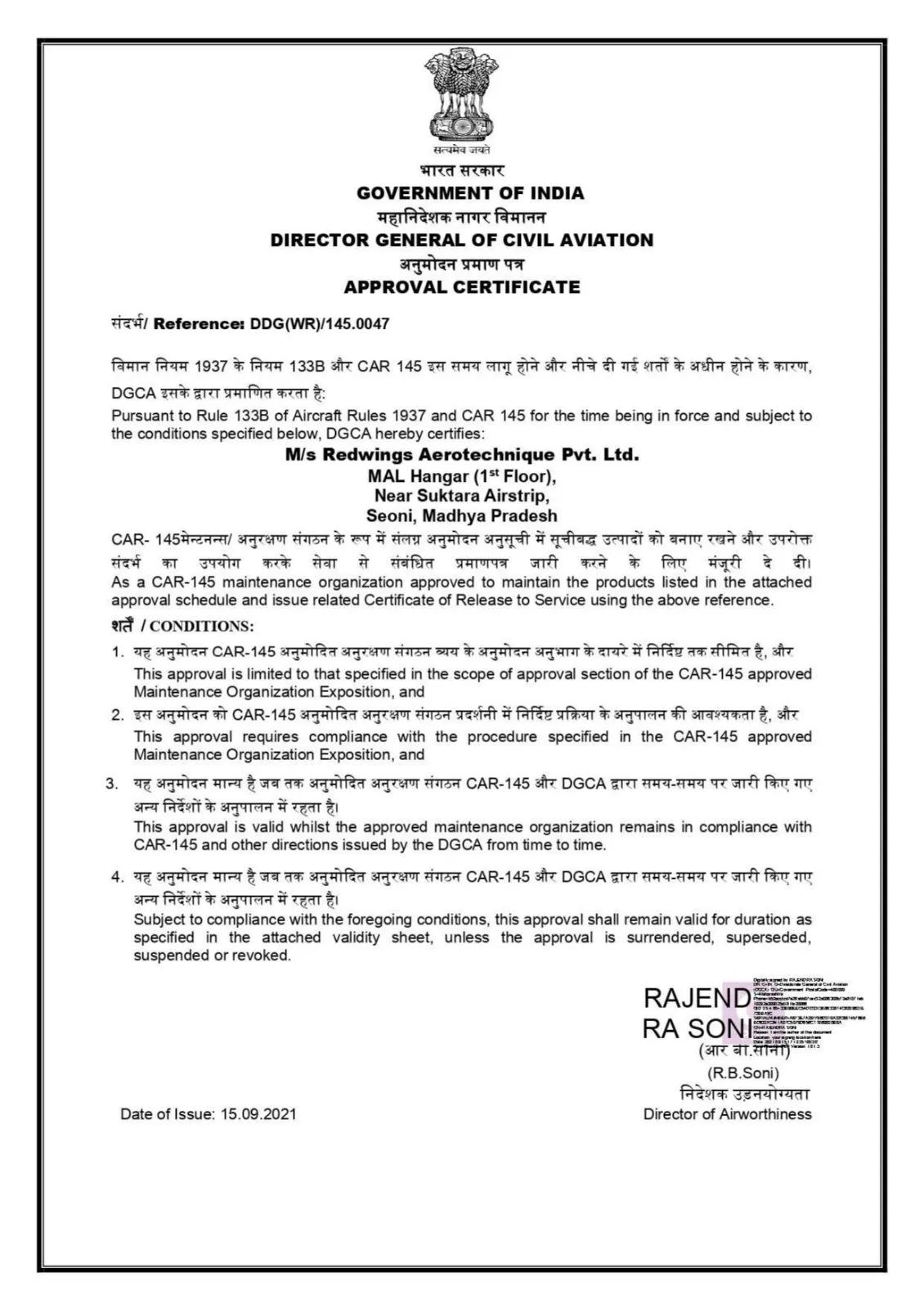
The facility has built a strong reputation in a short time for its capabilities, workmanship, quality and focus on safety.
What the MRO does
Why it matters for students
Under CAR-66, AME candidates need practical maintenance experience on operating aircraft at a DGCA-approved CAR-145 organisation. Being part of a group that runs its own MRO keeps Redwings training close to real maintenance work.
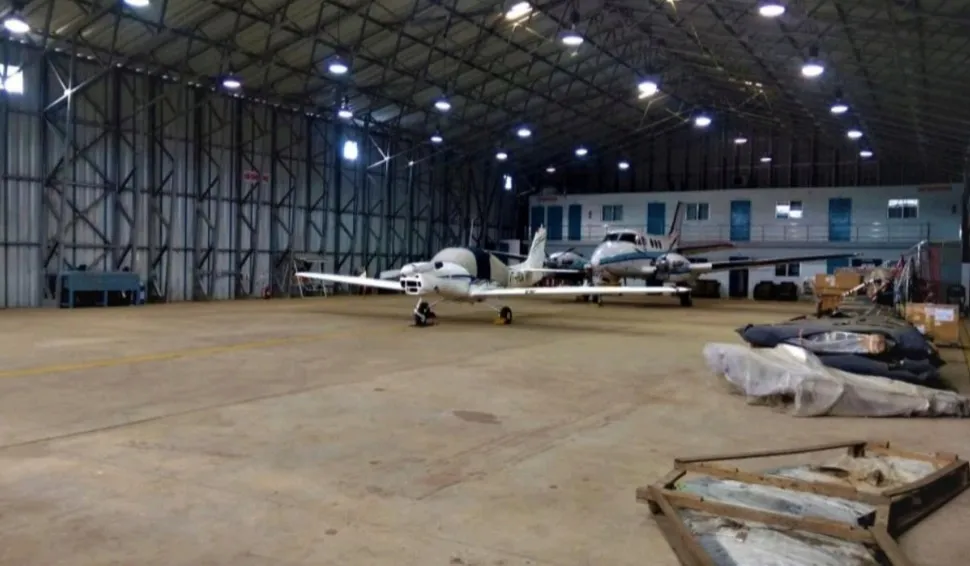
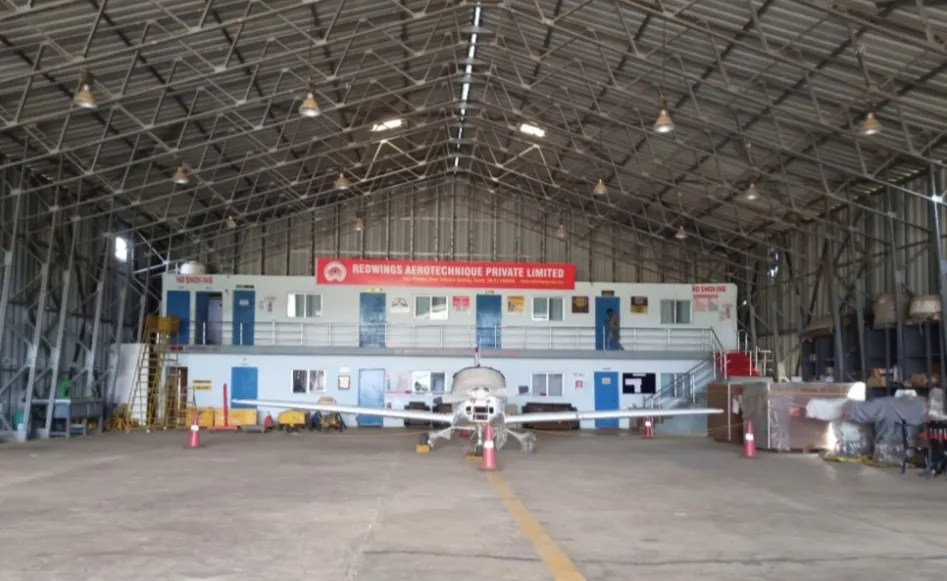
Who the MRO serves
Aircraft owners and operators cannot simply fix aircraft themselves. Every maintenance task has to be done and certified by an approved organisation with licensed staff. The Redwings MRO supports operators, organisations and individual owners who need this work done reliably and on time, so that their aircraft are available when they are needed and remain airworthy under DGCA rules.
What CAR-145 approval means
CAR-145 is the DGCA standard for maintenance organisations. To be approved, an organisation has to show DGCA that it has the right people, places and processes for the work it wants to do:
- Facilities: hangar and workshop space suited to the aircraft and components it maintains.
- Tools and equipment: calibrated tools, test equipment and materials for each task.
- Maintenance data: current manuals and instructions from aircraft and component manufacturers.
- Certifying staff: licensed engineers with the right authorisations to sign for the work.
- A quality system: written procedures, independent audits and records that DGCA can inspect.
The approval lists exactly which aircraft and components the organisation may work on. DGCA oversees approved organisations to make sure these standards are kept.
What students learn from a working MRO
A classroom teaches you how an aircraft system works. A working MRO shows you how maintenance really happens, every day, under the rules. Students in a group with its own MRO get a clearer picture of:
- Maintenance paperwork: task cards, work orders and the aircraft technical log, and why every signature matters.
- Line and base maintenance: routine checks between flights, and deeper scheduled work in the hangar.
- Safety culture: tool control, foreign object prevention and the human factors that cause mistakes.
- Certification: how a licensed engineer releases an aircraft to service after maintenance.
- Teamwork: how engineers work with planning, stores and quality staff.
This is the environment you will work in after your licence. Read the DGCA AME licence process to see where practical experience fits, and AME salary and jobs for careers at MROs and airlines.
Frequently asked questions
Where is the Redwings MRO?
What is CAR-145?
Why does an MRO matter for AME students?
What is the difference between line and base maintenance?
More AME guides
Ready to start your aviation career?
Register for AMERAT 2027 and take the first step.